

Sunburn happens when your skin becomes red and painful after too much sun exposure without protection.
Symptoms of Sunburn
Signs of sunburn usually appear a few hours after sun exposure:
- Red, tender skin that feels warm to the touch
- Blisters that may develop hours to days later
- Severe reactions (sometimes called “sun poisoning”) with fever, chills, nausea, or rash
- Peeling skin several days after the burn
Remember: by the time your skin turns red and hurts, the damage is already done. Pain is often worst between 6 and 48 hours after sun exposure. 🥵
Home Care for Sunburn
If you have sunburn, these steps can help relieve discomfort:
- Take cool baths or showers to soothe your skin
- You can try adding baking soda or colloidal oatmeal
- Avoid products with benzocaine, lidocaine, or petroleum (like Vaseline)
- You can apply aloe vera sunburned areas
- Calamine lotions can be soothing
- Drink extra fluids to prevent dehydration
- You can use over-the-counter pain relievers like ibuprofen for pain and swelling
- Wear loose, breathable cotton clothing to avoid further irritation
- Avoid repeat sun exposure
For detailed treatment information, see the Mayo Clinic’s guidelines: Sunburn First Aid, additionally see HealthLink BC’s sunburn page.
When to Seek Medical Attention 🩺
Most sunburns heal on their own, but contact your healthcare provider if you have:
- Severe sunburn with blisters covering a large area
- Facial swelling
- Signs of dehydration (extreme thirst, dry mouth, reduced urination)
- Fever, chills, nausea, or rash
- Confusion, dizziness, or fainting
- Signs of infection (increased redness, swelling, or pus)
For non-emergencies, Healthlink BC is available 24/7 and is a fantastic free resource for BC residents. Dial 8-1-1 to talk to a health professional.
Prevention of Sunburn
While sunburn discomfort is temporary, it can cause lasting skin damage and increase your risk of skin cancer over time.
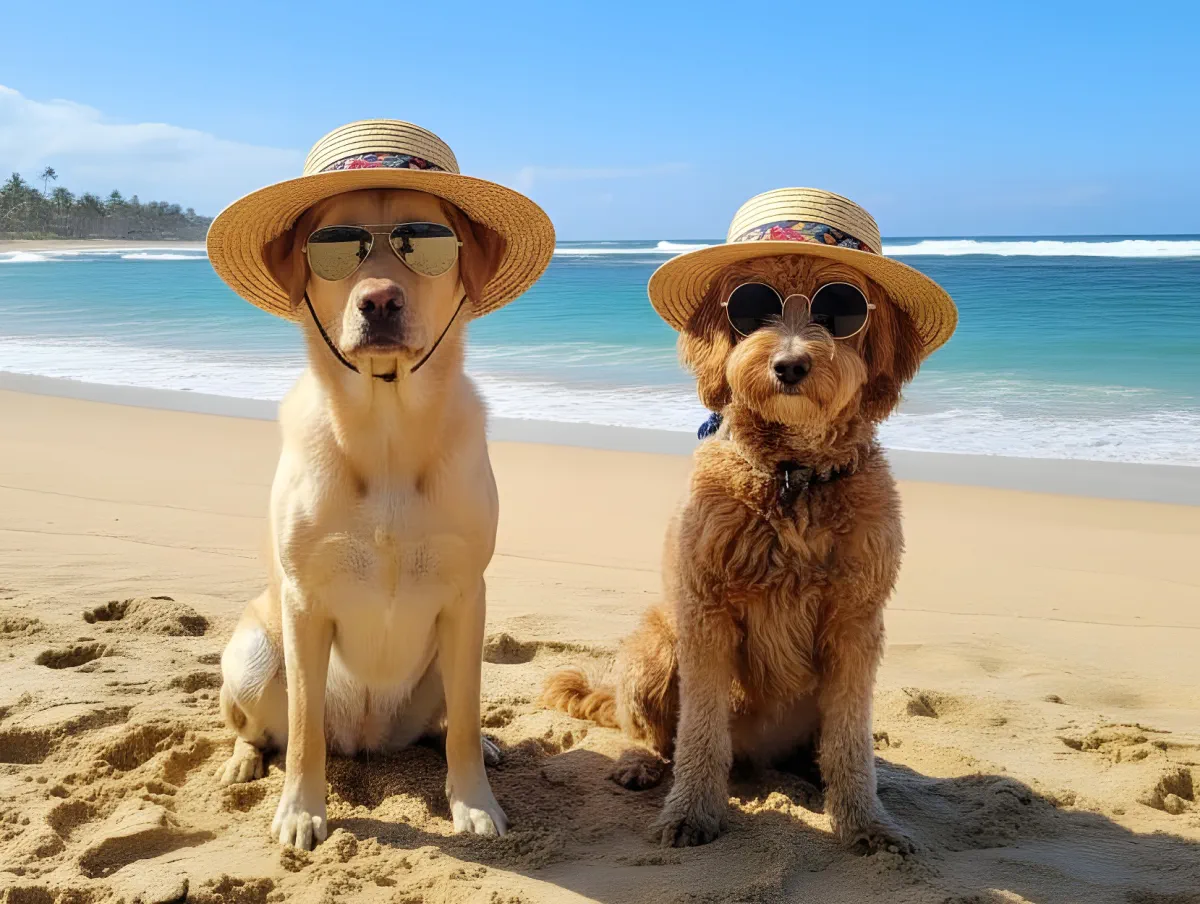
It’s never too late to start protecting your skin.
Follow these tips:
- Limit sun exposure between 10 a.m. and 4 p.m. when UV rays are strongest
- Wear protective clothing like wide-brimmed hats and long-sleeved shirts
- Use broad-spectrum sunscreen with SPF 30 or higher; apply generously 30 minutes before sun exposure and reapply every two hours
- Wear sunglasses that block at least 99% of UVA and UVB radiation
- Seek shade when possible
- Avoid tanning beds and sunlamps
For comprehensive sun protection tips, see HealthLink BC’s guidelines: Protecting Your Skin From the Sun.
Taking these steps helps you enjoy outdoor activities while protecting your skin from damage.