
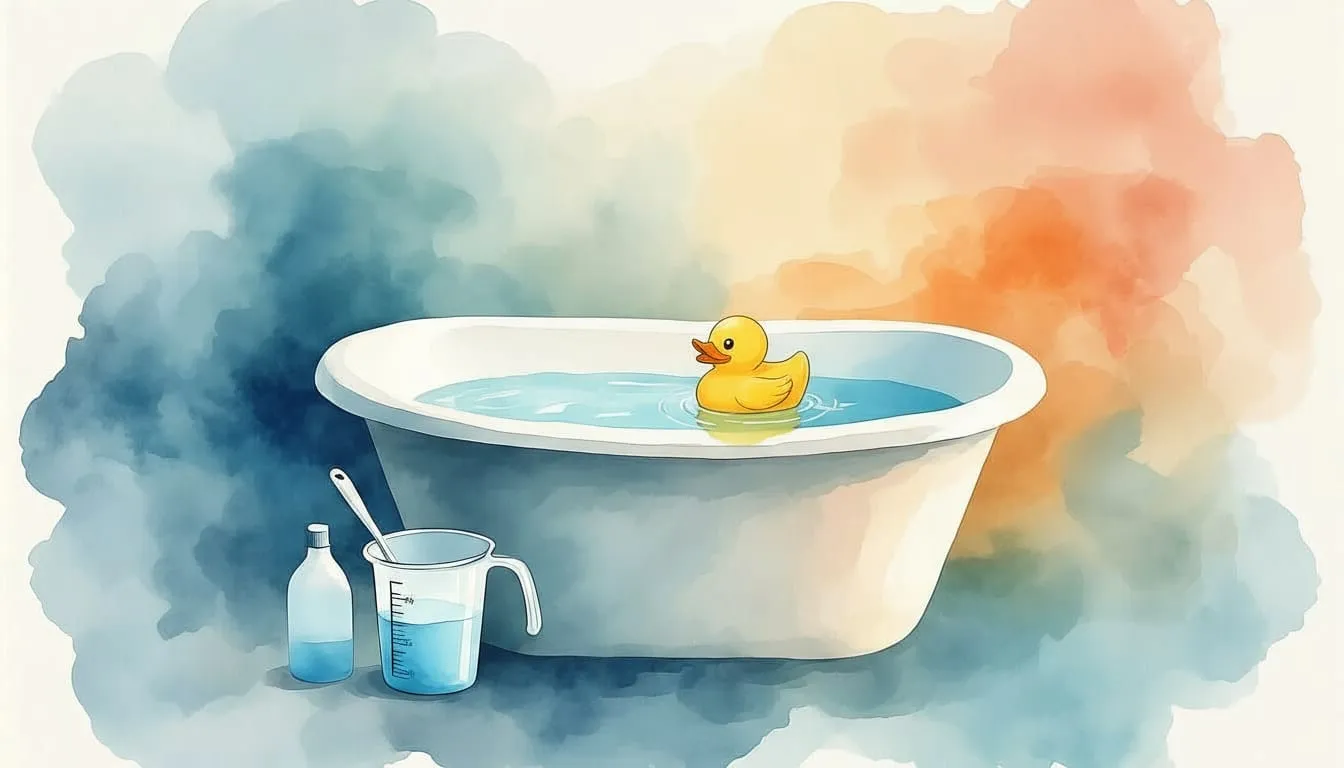
Bleach baths can help some children (and adults!) with moderate to severe eczema by lowering skin bacteria and reducing infections that trigger flares.
Bleach Bath Recipe 🛁
(for unscented household bleach, 4–6% sodium hypochlorite)
- Use regular, unscented household bleach only.
- Do not use concentrated, “splash‑less,” thickened, or scented bleach.
Steps & Measurements 📋
- Fill the tub with lukewarm (not hot) water.
- Full standard bathtub (about 40 gallons/150 L): add 1/2 cup (120 mL) bleach.
- Half‑full tub: add 1/4 cup (60 mL) bleach.
- Baby tub or small basin: add 1 teaspoon (5 mL) bleach per 1 gallon (3.8 L) of water.
- Swirl the water to mix well.
- Have your child soak from the neck down (or just the affected areas) for 5–10 minutes. Do not submerge the head or face. Close supervision at all times.
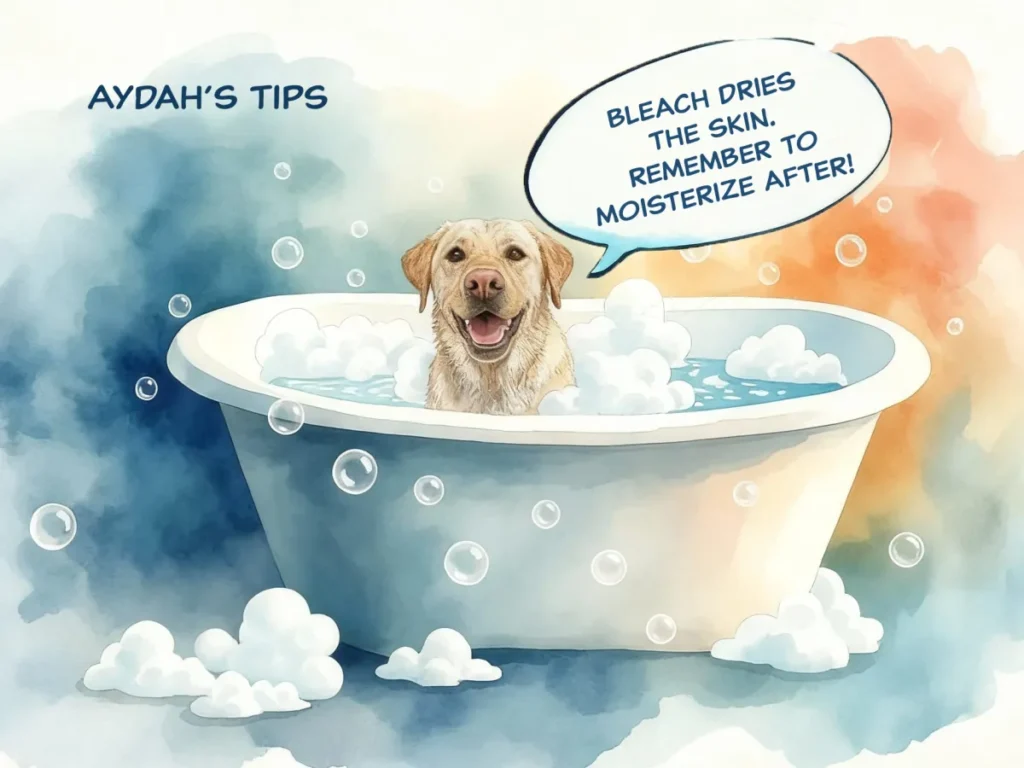
- Pat dry (don’t rub). Then moisturize the whole body generously within 3 minutes. (if prescribed apply medicated creams to inflamed areas first)
- Repeat 2–3 times per week, or as directed by your clinician.
Important Tips
If you’re unsure whether this is right for your child, check with your health care provider first.
- Never apply undiluted bleach to skin.
- Do not dunk the head or face.
- Avoid mixing bleach with soaps, bath oils, or other cleaners.
- Good ventilation helps.
- If the skin stings or gets very irritated, end the bath, rinse, moisturize, and discuss with your clinician.
- Lukewarm baths are best; hot water can worsen itching and dryness.
- Moisturize at least twice daily and always after bathing; use soap‑free, fragrance‑free products.
- Bleach may lighten fabrics; use old towels for drying.
When to Seek Medical Attention 🩺
Contact your healthcare provider if you see:
- Signs of infection (yellow crust, pus, rapidly worsening redness)
You can contact HealthLink BC and speak with a nurse anytime by dialing 8-1-1
Sources
https://www.texaschildrens.org/sites/default/files/uploads/documents/dermatology/atopic_derm-emr.pdf
https://myhealth.alberta.ca/Health/Pages/conditions.aspx?hwid=abh0255